Growing an herb garden indoors is a rewarding way to enhance your cooking, improve your home’s air quality, and enjoy gardening regardless of the weather outside. Whether you have a sunny windowsill or a small corner in your kitchen, you can cultivate fresh herbs year-round. This guide will walk you through everything you need to know to start a small herb garden indoors, from choosing the right herbs to caring for them properly.
Why Grow Herbs Indoors?
Indoor herb gardening offers several benefits:
– Freshness: Pick herbs when you need them for the best flavor.
– Convenience: No need to buy herbs frequently or worry about them wilting.
– Space-saving: Ideal for those with limited outdoor space or harsh climates.
– Aesthetic: Herbs add greenery and a pleasant scent to your living area.
Choosing the Right Herbs for Indoor Growing
Not all herbs thrive indoors, so it’s best to start with varieties known to grow well inside:
– Basil: Needs a lot of sunlight; perfect for a sunny windowsill.
– Parsley: Requires moderate light and regular watering.
– Thyme: Thrives with less water and bright, indirect light.
– Chives: Easy to grow with medium to bright light.
– Mint: Grows quickly but can take over, so keep it contained.
– Cilantro: Prefers cooler temperatures and moderate sunlight.
– Oregano: Needs bright light and well-draining soil.
When selecting herbs, consider how often you use them in cooking and your home’s light conditions.
Selecting Containers and Soil
Containers
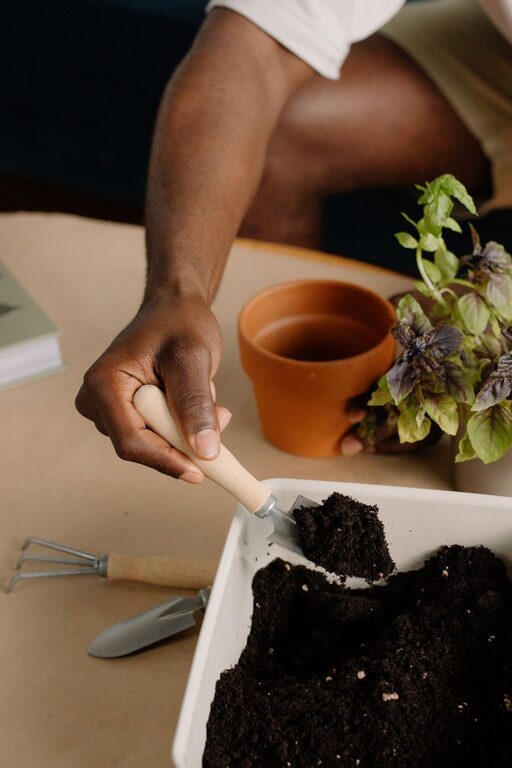
Choose containers with drainage holes to prevent water buildup that can lead to root rot. You can use:
– Small pots made of terra cotta, ceramic, or plastic.
– Recycled containers, but ensure proper drainage.
– Herb garden kits that come with pots and soil.
Soil
Use high-quality potting soil designed for indoor plants. Avoid garden soil, which can be too dense and may carry pests. Look for soil labeled for herbs or vegetables.
Planting Your Herb Garden
You can start your herbs from seeds, seedlings, or cuttings. Here’s how:
- **Seeds:** Follow the package instructions for depth and spacing. Seeds take longer to grow but are often more cost-effective.
- **Seedlings:** Buying young plants from a nursery means faster results.
- **Cuttings:** Some herbs like mint and basil can be started from cuttings placed in water until roots develop.
Fill the pots about three-quarters full with soil. Plant seeds or seedlings gently, then cover with soil and water lightly.
Lighting Needs
Most herbs need 6 to 8 hours of light each day. Place your garden near a south or west-facing window. If natural light is limited:
– Use grow lights with a full spectrum to mimic sunlight.
– Position lights about 6-12 inches above your plants.
– Keep lights on for 12-16 hours daily for best growth.
Watering Tips
Herbs like moist but well-drained soil. Overwatering is a common mistake. Follow these tips:
– Water when the top inch of soil feels dry.
– Water thoroughly until it drains from the bottom.
– Empty excess water from saucers to prevent root rot.
– Adjust watering frequency based on humidity and temperature.
Feeding Your Herbs
Indoor herbs benefit from occasional feeding with a balanced, water-soluble fertilizer. Use fertilizer at half strength every 4-6 weeks. Over-fertilizing can reduce the flavor intensity of herbs.
Pruning and Harvesting
Regular trimming encourages bushier growth and prevents herbs from becoming leggy.
– Pinch off leaves or stems just above a leaf node.
– Harvest in the morning for the best flavor.
– Avoid removing more than one-third of the plant at once.
– Use fresh herbs immediately or dry them for later use.
Pest Management
Indoor herb gardens are less prone to pests but watch for:
– Aphids
– Spider mites
– Fungus gnats
To control pests:
– Inspect plants regularly.
– Wipe leaves with a damp cloth.
– Use insecticidal soap or neem oil if necessary.
– Avoid overwatering, which attracts pests.
Troubleshooting Common Problems
– Yellow leaves: Too much water or poor drainage.
– Leggy plants: Not enough light; move closer to a window or add grow lights.
– Slow growth: Check soil quality and fertilizer use.
– Wilting: Underwatering or root issues.
Expanding Your Indoor Herb Garden
Once you’re comfortable, try adding less common herbs like rosemary, dill, or tarragon. Experiment with different containers or vertical gardens to save space.
Final Thoughts
Starting a small herb garden indoors is easier than you might think. It requires just a little space, some patience, and regular care. By choosing suitable herbs, providing enough light and water, and keeping an eye on their health, you’ll enjoy fresh herbs all year long — enhancing your meals and your home environment. Happy gardening!